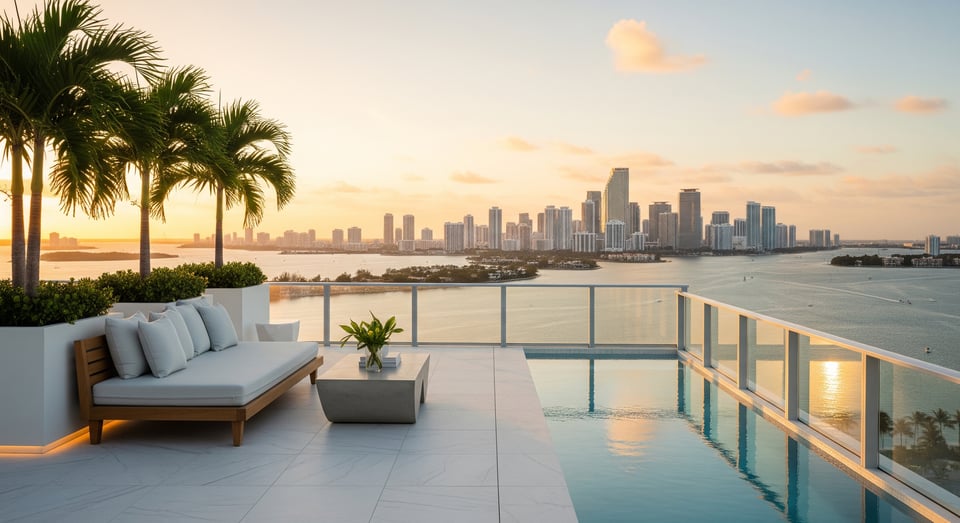
Is Miami all sunshine and cafecito, or does daily life look different once you unpack the boxes? If you are weighing a move, you probably want the real picture, not just the postcard. You also want practical guidance on neighborhoods, commutes, lifestyle, and the risks that can shape your budget. This guide gives you a grounded view of life in Miami, with tips you can use to choose the right home for you. Let’s dive in.
Miami at a glance
Miami sits within a large, diverse metro where international business, tourism, and trade shape the rhythm of the city. You will hear both English and Spanish everywhere, and many workplaces operate with a global mindset. For an overview of population and demographics, explore the U.S. Census QuickFacts for Miami and Miami-Dade County.
The climate is warm year-round, with a wet season from roughly May through October and a drier period from November through April. Hurricane season runs June 1 to November 30, so storm prep and insurance planning are part of everyday life. Sea level rise and tidal flooding are long-term considerations, and local resilience planning continues to evolve.
- Learn more about sea level and inundation patterns through the NOAA Sea Level Rise viewer.
- See county initiatives on adaptation on the Miami-Dade climate resilience page.
Neighborhoods and housing
Miami offers many neighborhood types. Your best fit comes down to tradeoffs like walkability, space, condo rules, and commute.
Urban cores: Brickell, Downtown, Edgewater, Design District, Wynwood
You will find mid to high-rise condos, new towers, and a lively street scene. Brickell and Downtown are very walkable, with restaurants, gyms, and the free Metromover at your doorstep. Expect HOA rules, amenity-rich buildings, and potential tradeoffs like noise or limited guest parking.
Miami Beach: South Beach to North Beach
The beach culture is strong, from Art Deco buildings to luxury oceanfront towers. Many areas are walkable near commercial strips. Seasonal crowds and a beachfront premium are common factors for buyers and renters.
Leafy and established: Coral Gables, Coconut Grove, Miami Shores
Tree-lined streets, single-family homes, and townhomes define these areas. Coconut Grove adds marinas and a laid-back vibe. Property values tend to be higher in historic or amenity-rich pockets.
Suburban hubs: Kendall, West Kendall, Doral, the Southwest
These neighborhoods feature single-family homes, gated communities, and newer developments. They are car-oriented with shopping centers nearby and often offer more space per dollar than urban or beachfront areas. Commute times can vary widely depending on job location.
Arts districts and emerging pockets: Wynwood, Little Haiti, Upper East Side, Allapattah
Expect a mix of converted warehouses, low-rise condos, and new infill. Independent dining, galleries, and murals create a creative scene. Redevelopment can move quickly in these areas.
Luxury islands and enclaves: Key Biscayne, Bal Harbour, Surfside, Fisher Island
Waterfront estates and luxury condos set the tone. Privacy, resort-style amenities, and boating access are common, along with high price points.
Buyer takeaways
- Balance walkability and amenities against space and yard needs.
- Condos dominate many central neighborhoods. Review HOA rules, fees, and building age before you buy.
- Weigh proximity to work against flood risk and insurance costs.
Getting around daily
Miami is car-centric, and peak-hour congestion on I-95, US-1, and the Palmetto Expressway can add time to many commutes. If you plan to work in the urban core but live farther out, map the route at your typical travel time.
Transit and rail options
Public transit helps in certain corridors. You can plan routes using Miami-Dade Transit. Downtown and Brickell benefit from the free Metromover and Metrorail connections. For regional and intercity trips, Brightline offers service to West Palm Beach and Orlando.
Walkability and parking
Brickell, Downtown, South Beach, parts of Coral Gables, and Coconut Grove offer strong walkability. In dense cores, parking can be costly or limited, and guest parking may be tight. Suburban areas usually provide garage and driveway parking.
Tips for mobility
- If you want to minimize driving, focus on Brickell, Downtown, South Beach, or walkable pockets near Metrorail stations.
- Consider remote or hybrid work patterns when comparing commute times.
Lifestyle and amenities
Outdoors all year
Beaches, Biscayne Bay, and parks define Miami’s active lifestyle. You can run, cycle, paddleboard, or boat most months, then adjust to summer heat by going out early or late. Popular nearby destinations include Bayfront Park, Oleta River State Park, Matheson Hammock, and the Everglades.
Dining and nightlife
Miami’s dining scene blends Latin American and Caribbean flavors with global concepts. Brickell, Wynwood, Miami Beach, and Coconut Grove have many options from casual to high-end. Nightlife and live music cluster in South Beach, Brickell, and Wynwood.
Arts and culture
Miami hosts world-class events and institutions. You can browse contemporary art at Pérez Art Museum Miami, then find galleries and pop-ups across the city. Annual festivals and fairs keep the calendar busy for locals.
Shopping and daily needs
Big malls like Dadeland and Aventura sit alongside boutique districts in the Design District and Coral Gables’ Miracle Mile. Grocery options include national chains and specialty Latin markets.
Bilingual everyday life
You will encounter English and Spanish in signage, media, and services. Many small businesses and professionals communicate comfortably in both languages.
Schools and healthcare
Public school options vary by area, and the district offers magnet and choice programs. Start your research with Miami-Dade County Public Schools for boundaries, programs, and enrollment. Many families also consider private options.
Healthcare access is strong across the county, with major systems such as Jackson Health System, Baptist Health South Florida, and University of Miami Health System providing comprehensive services.
Real estate realities to plan for
Condos vs. single-family
- Condos: Common in central areas. Expect HOA fees, shared amenities, and rules that may limit rentals or short-term stays.
- Single-family: More privacy and yard space. You take on more maintenance and a different tax and insurance profile.
Insurance and flood risk
Many areas fall within FEMA flood zones. Lenders commonly require flood insurance for properties in designated zones. Check a property’s flood zone on the FEMA Flood Map Service Center and get early quotes for both homeowners and flood insurance. Learn about policy basics from the National Flood Insurance Program.
Building age and inspections
After 2021, there is heightened focus on structural integrity, reserves, and maintenance in condo buildings. Review inspection history, reserve studies, meeting minutes, and any engineering reports. You can also review county building recertification guidance through Miami-Dade’s Building Department.
Sea level rise and resiliency
Elevation, drainage, and local mitigation projects matter block by block. Review NOAA’s sea-level tools and county resilience plans to understand long-term exposure for a specific property.
Taxes and financial planning
Florida has no state income tax. Property taxes vary by municipality and assessed value, and homestead exemptions may reduce taxes for a primary residence. Your lender and insurance quotes will shape total monthly costs.
Short-term rental rules
Regulations vary by municipality and building. Always confirm city ordinances and HOA rules before you buy an investment property.
A quick buyer checklist
- Verify property flood zone and elevation using the FEMA Flood Map Service Center.
- Obtain homeowners and flood insurance quotes before finalizing an offer.
- For condos, request the reserve study, engineering reports, meeting minutes, litigation history, and current HOA financials.
- Review building recertification timelines and any recent structural audits on older properties.
- Map your commute or transit plan at real-life days and times using Miami-Dade Transit.
- Confirm school options through Miami-Dade County Public Schools if that factor matters to you.
How to choose your Miami spot
Start with how you live day to day. Do you want a walkable tower near restaurants, or a yard and driveway on a quieter street? How much time will you spend driving? Are you comfortable with HOA rules, or do you prefer single-family independence? Layer in flood risk, insurance costs, and building age so you can compare homes on a true monthly budget.
When you are ready to explore, work with a local advisor who knows the micro-neighborhoods and building histories. You deserve a tailored search, not a one-size-fits-all list. If you want a bilingual, boutique approach and strategic guidance from first tour to closing, connect with Dania Perez for a consultation.
FAQs
Is Miami walkable for daily life?
- Some areas like Brickell, Downtown, South Beach, and parts of Coral Gables and Coconut Grove are walkable. Most other neighborhoods are car-oriented for errands and commuting.
Do I need a car to live in Miami?
- If you live and work in a walkable core, you can rely on transit and rideshares with occasional car use. In suburban areas, most residents drive daily.
What is summer weather really like?
- Summers are hot and humid with afternoon storms. Many residents plan outdoor time in the morning or evening and lean on air conditioning and water activities.
How big is the flood and sea-level risk?
- Risk varies by neighborhood and elevation. Use NOAA tools and the FEMA Flood Map Service Center to evaluate properties and factor in insurance and mitigation.
How expensive is homeowners insurance?
- Costs vary by location, elevation, and building age or construction. Get local quotes early for both homeowners and flood insurance through the National Flood Insurance Program and private carriers.
What are the main transit options?
- Miami-Dade Transit runs Metrorail, Metromover, and Metrobus. Brightline connects to West Palm Beach and Orlando for intercity trips.
How should I evaluate schools in Miami-Dade?
- Start with Miami-Dade County Public Schools for boundary and program information. Consider magnet and choice programs and review official data alongside your family’s priorities.