The cost of living in Miami continues to soar, leaving many residents struggling to afford housing. In response, a bold initiative is underway in Miami’s Health District, spearheaded by Jackson Memorial Hospital in collaboration with Related Urban. This project aims to provide affordable and workforce housing for healthcare professionals and other workers, easing the financial burden for those who form the backbone of the local economy. Here’s an in-depth look at this transformative development.
A Bold Vision for Affordable Housing
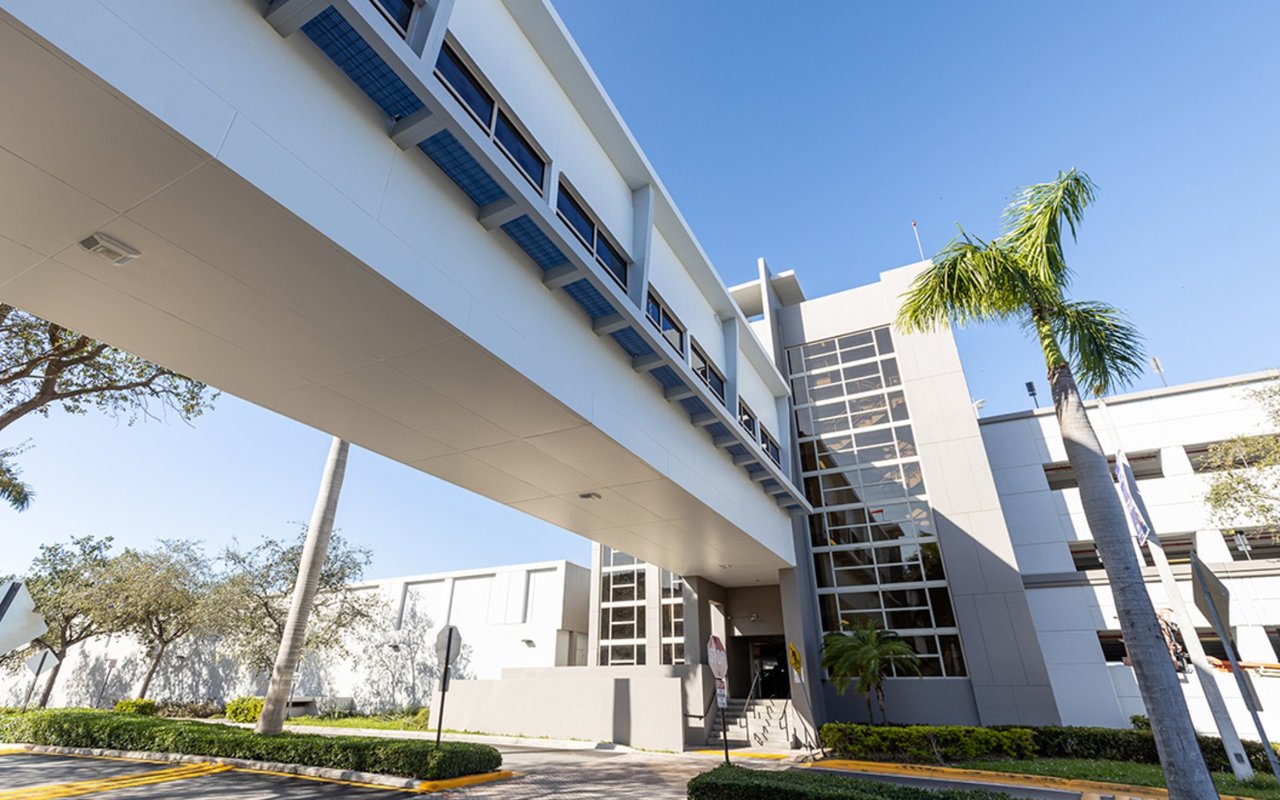
In 2027, Jackson Memorial Hospital plans to demolish two aging office buildings across from the UHealth/Jackson Metrorail station. These buildings, known as Jackson Medical Towers, will make way for a mixed-use complex featuring two high-rise towers. The development will include over 800 residential units, an 18-story hotel, retail spaces, daycare facilities, and even a park and promenade.
This initiative comes at a crucial time, as Miami-Dade County remains one of the most rent-burdened areas in the nation. According to Zillow, the median monthly rent in Miami-Dade is approximately $3,000, making housing unattainable for many residents. By offering affordable and workforce housing options, the project aims to create a more sustainable living environment for healthcare workers and professionals in other essential sectors.
Strategic Partnerships and Financial Structure
The development is being led by Related Urban, a division of the Miami-based Related Group, in partnership with Jackson Health. The agreement, pending approval by the Miami-Dade County Commission, outlines a 99-year lease of the county-owned land.
Related Urban will fully finance the project and pay rent to Jackson Health. Additionally, once the apartments and hotel are operational, Jackson Health will receive 30% of the income generated, amounting to an estimated $1 billion over the lease term.
The project also includes a $3 million investment to improve the neighboring Metrorail station, enhancing public transportation access for residents and visitors alike. For Jackson Health, this deal provides much-needed financial relief, as the hospital system faces ongoing budgetary challenges.
Housing Breakdown and Eligibility
Affordable and Workforce Housing Explained
The residential towers will feature a mix of affordable and workforce housing units. Here’s a breakdown of eligibility based on the Area Median Income (AMI):
- Affordable Housing: Reserved for households earning between 50% and 80% of the AMI. In 2024, this equates to incomes ranging from $39,750 to $63,600.
- Workforce Housing: Targeted at households earning up to 120% of the AMI, which is $95,400 or less in 2024.
Jackson Health employees will receive priority access to these units, followed by healthcare workers from nearby institutions such as the University of Miami Health System and the Miami VA. This ensures that those working in the Health District can live near their jobs, reducing commute times and improving work-life balance.
Rent Estimates
Although exact rent figures won’t be finalized until the towers are completed, the proposal provides preliminary estimates:
- Affordable housing rents could range from $993 to $2,042 per month, depending on unit size.
- Workforce housing rents may vary between $2,385 and $3,063 per month.
These rates are significantly lower than the current market average, offering a lifeline to those struggling with Miami’s high cost of living.
Community Benefits and Urban Planning
The project isn’t just about housing. It’s a comprehensive urban development plan that integrates residential, commercial, and recreational spaces. Highlights include:
Retail and Dining Options: The ground floor of the towers will feature shops and restaurants, creating a vibrant community hub.
Green Spaces: A park and promenade will provide residents with outdoor areas to relax and unwind.
Childcare Facilities: On-site daycare will make life easier for working parents.
Improved Transportation: Upgrades to the UHealth/Jackson Metrorail station will enhance accessibility and encourage the use of public transit.
These features align with modern urban planning principles, focusing on sustainability, walkability, and mixed-use development. According to Ned Murray, an expert from Florida International University’s Metropolitan Center, such projects are essential for creating resilient and economically diverse communities.
Project Timeline and Phases
The development will be completed in two phases:
- Phase 1 (Completion by February 2030): This phase includes a 25-story residential tower with 447 units, a parking garage with 782 spaces, daycare facilities, and retail spaces.
- Phase 2 (Completion by February 2032): The second phase will add a 27-story residential tower with 361 units, an 18-story extended-stay hotel with 128 rooms, and additional amenities such as pools, a fitness center, and a clubhouse.
The extended-stay hotel will be particularly beneficial for families of hospitalized patients, providing convenient accommodations near Jackson Memorial and other healthcare facilities.
Insights
How Will This Project Impact Housing Affordability in Miami?
This Development Addresses Miami’s Housing Crisis by Providing Below-Market Rents for Workers Essential to The Local Economy. It Sets a Precedent for Similar Mixed-Use Projects that Combine Affordable Housing with Community Amenities.
Who Qualifies for Priority Access to The Apartments?
Priority Will Be Given to Healthcare Workers, Especially Jackson Health Employees. This Ensures that Those Who Support the Health District’s Operations Can Live Within Walking Distance of Their Jobs.
How Will the Project Benefit the Local Economy?
By Creating Jobs During Construction and Boosting Retail and Hospitality Revenues Post-Completion, the Project Will Have a Positive Economic Impact. Additionally, Improving Access to Affordable Housing Can Enhance Employee Retention and Productivity.
What Measures Are Being Taken to Ensure Sustainability?
The Project Includes Investments in Public Transportation and Green Spaces, Promoting Eco-Friendly Urban Living. Mixed-Use Developments Like This Also Reduce Reliance on Cars, Contributing to Lower Carbon Emissions.
Looking Ahead
The affordable housing crisis in Miami requires innovative solutions, and the Health District project represents a significant step forward. By combining affordable and workforce housing with modern amenities and improved infrastructure, this initiative aims to improve quality of life for healthcare workers and other essential professionals. As the project moves through its planning and approval stages, it stands as a model for how public-private partnerships can address urgent community needs.