Thinking about listing in Florida City and wondering how the Keys market affects your price? You are not alone. Buyers who love the Keys lifestyle often look north when ROGO limits and waterfront premiums make inventory scarce from Key Largo to Key West. In this guide, you will learn how to bake ROGO scarcity, waterfront value factors, and insurance costs into a clear, defensible list price for your Florida City home. Let’s dive in.
Florida City and the Keys buyer pool
Florida City sits at the northern gateway to the Florida Keys. Monroe County’s Rate of Growth Ordinance, known as ROGO, limits new residential permits in the Keys. This creates long-term scarcity for legal units and pushes some demand north. If you list in Florida City, you may attract buyers who want Keys-like access without Keys price extremes.
Proximity to U.S. 1 matters. Homes with easier access to Key Largo can gain a premium with buyers who plan frequent trips south. Keep in mind that short-term rental rules differ between Monroe County and Miami-Dade. Florida City follows Miami-Dade rules and local ordinances, which can affect investor demand. Always confirm current rules before you set a price.
Price drivers to quantify
ROGO scarcity and proximity premiums
ROGO constraints support higher values for permitted Keys properties and for sites with transferable development rights. While your Florida City home is outside Monroe County, this scarcity can still shape buyer expectations and pricing. If buyers are priced out of waterfront or limited inventory in the Keys, they often compare Florida City as a value alternative. Your price should reflect that cross-market lens without assuming a full Keys premium.
Waterfront valuation specifics
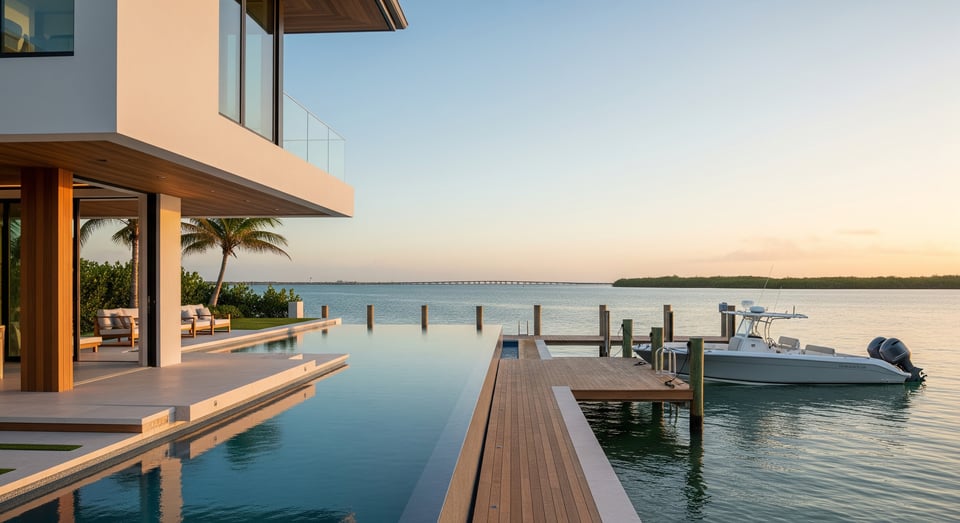
Waterfront value is highly local. Buyers pay for direct water access, view quality, and legal docking. Adjust for:
- Water type and exposure: oceanfront often prices above bayfront, which often prices above canal.
- Dock and seawall: permitted status, condition, and maintenance history.
- Boat access: depth and size limits for vessels.
- Elevation and flood zone: V- and AE-zone exposure influences insurance and value.
- Privacy and view corridors: sunrise and sunset angles matter to many buyers.
Because premiums vary street by street, use the closest closed waterfront sales on the same body of water wherever possible.
Flood zone and elevation impact
Flood zones and elevation shape both insurability and buyer affordability. Properties in velocity zones or AE zones tend to face stricter building requirements and higher flood premiums than X zones. An up-to-date Elevation Certificate can clarify the expected premium and remove guesswork. If your elevation or mitigation is favorable, document it to support a stronger ask.
Nonmarket costs that buyers consider
Waterfront ownership comes with ongoing costs that reduce net value for some buyers. Seawall repair, dock upkeep, dredging, and potential assessments influence what buyers are willing to pay. Be ready to disclose maintenance history and any known upcoming work so you avoid late-stage price cuts.
Build a tighter comp set
Start close and stay specific. For waterfront, use closed sales from the last 6 to 12 months on the same waterway, with similar exposure and boat access. Confirm dock and seawall permits. Match elevation and flood zone where possible. If you must expand your radius, quantify adjustments for access to U.S. 1 and travel time to Key Largo. Use dollar adjustments supported by recent local sales rather than broad percentages.
For non-waterfront homes that appeal to Keys-focused buyers, consider proximity premiums tied to commute time and outdoor storage or parking features that matter to boaters. Keep adjustments transparent and consistent.
Insurance as a pricing line item
Insurance is now a decision driver for many buyers. Higher annual premiums reduce affordability for owner-occupants and yield for investors, which can slow absorption or require concessions.
Flood insurance factors
- Flood zone designation determines lender requirements and typical NFIP pricing.
- Elevation Certificates or LOMA documentation can reduce uncertainty and speed underwriting.
- Private flood options may exist, but they still underwrite on elevation, structure type, and claims history.
Wind and homeowners coverage
- Some buyers will secure separate wind-only coverage or special endorsements.
- Citizens and other carriers may have different availability and pricing. Buyers weigh this in offers and timelines.
Mitigation that supports a higher price
If you have impact windows, a newer roof, hurricane straps, or elevated utilities, get a wind-mitigation inspection. Documented credits can lower a buyer’s premium, which helps defend a higher ask.
Tactics to reduce buyer uncertainty
- Provide your policy declarations and premium history for the last 3 years if available.
- Share your Elevation Certificate and recent claims history.
- Obtain indicative replacement quotes so buyers see realistic ranges.
- Consider a credit or price buffer to offset the first year’s premium if a carrier switch is likely.
A practical pricing framework
Use this step-by-step process to reach a price you can defend and buyers will respect:
- Gather comps. Focus on 6 to 12 months of closed sales that match water type, dock permits, elevation, and boat access. For non-waterfront, match access to U.S. 1 and proximity to the Keys.
- Adjust for physical differences. Apply dollar adjustments for water exposure, dock depth, permitted facilities, condition, and flood or wind mitigation features.
- Overlay scarcity. Where Keys properties sold at premiums tied to ROGO or transferable allocations, measure that differential. If your property benefits from easy access to the Keys buyer pool, consider a proximity premium, but show support.
- Quantify insurance. Estimate realistic flood and wind premiums and translate those costs into affordability impact. Decide whether to reflect that in the ask or offer a targeted credit.
- Model net proceeds. Create aggressive, market, and conservative scenarios that include closing costs, expected repairs, and potential insurance credits. Choose the path that meets your net goals and market timing.
- Signal certainty. In the MLS and marketing, highlight your Elevation Certificate, mitigation reports, and current policy premiums. Certainty preserves price and shortens time on market.
Documents to assemble before listing
Gathering the right paperwork early improves buyer confidence and helps you hold the line on price.
- Current insurance declarations for flood and homeowners or wind-only
- Premium history for the last 3 years and transferability notes
- Elevation Certificate or LOMA/LOMA-A documentation
- FEMA flood map panel number and zone reference
- Dock and seawall permits, plus a condition report if available
- Survey and any docking easements or boundary details
- Roof inspection, wind-mitigation report, and receipts for mitigation work
- Notices of any special assessments or upcoming projects
- Short-term rental legality statement and historical rental income if allowed
Listing tactics that protect price
- Lead with certainty. Note elevation, mitigation, and insurance data in the listing remarks.
- Preempt objections. Provide a clean package of permits, surveys, and maintenance records at showings.
- Highlight access. For Florida City homes that offer easy U.S. 1 access, spell out approximate travel times to Key Largo during typical off-peak hours.
- Emphasize lifestyle. For buyers seeking the Keys feel, showcase storage for boats or trailers, outdoor areas, and nearby water access points where allowed.
When Florida City competes with Key Largo
If your buyer pool includes Keys-focused shoppers, expect them to compare you to listings from Key Largo through Marathon. Your advantage is value and access. Their concern is insurance and flood exposure. Meet them with a data-backed price and documentation that trims risk. Price with a clear proximity story and a real operating cost picture, not just a lifestyle pitch.
Your next step
If you want a pricing plan that blends local comps, ROGO-driven scarcity, waterfront adjustments, and insurance math, we can help. We build a simple, defendable model, then package your property with the documentation buyers need to move fast. Ready to talk strategy and timing? Schedule your personalized consultation with Vera Vita Real Estate.
FAQs
How ROGO affects Florida City pricing
- ROGO limits new residential permits in the Keys, which supports higher values for permitted inventory there. This scarcity can push some buyers to Florida City, influencing demand and pricing expectations.
Waterfront premium size in the Upper Keys
- There is no universal percentage. Measure premiums using the closest closed sales on the same water type and exposure, then apply dollar adjustments for dock permits, boat depth, elevation, and view.
Flood zones and list price decisions
- VE and AE zones often come with higher premiums and stricter building rules, which can require discounts versus similar properties with lower exposure. Show buyers expected premiums with an Elevation Certificate to set realistic expectations.
Should you get an Elevation Certificate before listing
- Yes. It clarifies flood risk for lenders and insurers and can shorten underwriting. The small upfront cost often protects your asking price and reduces time on market.
Insurance increases and your pricing strategy
- Higher premiums reduce buyer affordability. You can address this by offering a closing credit, adjusting your ask, or documenting mitigation that supports lower premiums.
Proximity to U.S. 1 and value
- Easier access to the Keys can justify a proximity premium, especially for buyers who travel south often. Support any premium with comps and clear travel-time context.