Selling in Miami can feel simple from the outside. Put the home online, wait for the calls, and choose the best offer, right? In reality, today’s market rewards sellers who prepare carefully, price accurately, and launch with a polished plan from day one. If you want your home to stand out in Miami-Dade, this checklist will help you focus on the steps that matter most. Let’s dive in.
Why first impressions matter in Miami
Miami-Dade’s April 2026 single-family market showed a median sale price of $670,000, 5.4 months of supply, a 95.2% median original list-price-received ratio, a 45-day median time to contract, and an 82-day median time to sale. Those numbers point to an active market, but not one where sellers can count on any listing to move fast without the right strategy.
That matters because the median sale price was down 1.5% from April 2025. In other words, buyers are still active, but they are paying attention to value, condition, and presentation. A standout listing is usually the result of smart prep, not luck.
Miami also attracts an unusually international group of buyers. MIAMI REALTORS reported Miami as the No. 1 U.S. destination for foreign home buyers in its 2025 report, which means some buyers may first experience your home from another city or another country. That makes clean presentation, strong visuals, and a remote-friendly listing package especially important.
Start with a pre-listing walk-through
Before photos, showings, or pricing conversations, walk through your home as if you were seeing it for the first time. Look for anything that feels distracting, unfinished, crowded, or overly personal. The goal is to help buyers focus on the home itself, not your belongings or deferred maintenance.
This is also the right time to make a realistic to-do list. Focus first on visible issues that can affect buyer confidence, such as chipped paint, loose hardware, stained grout, burned-out light bulbs, or doors that stick. Small fixes often do more for first impressions than large projects that eat up time and budget.
Declutter and depersonalize key spaces
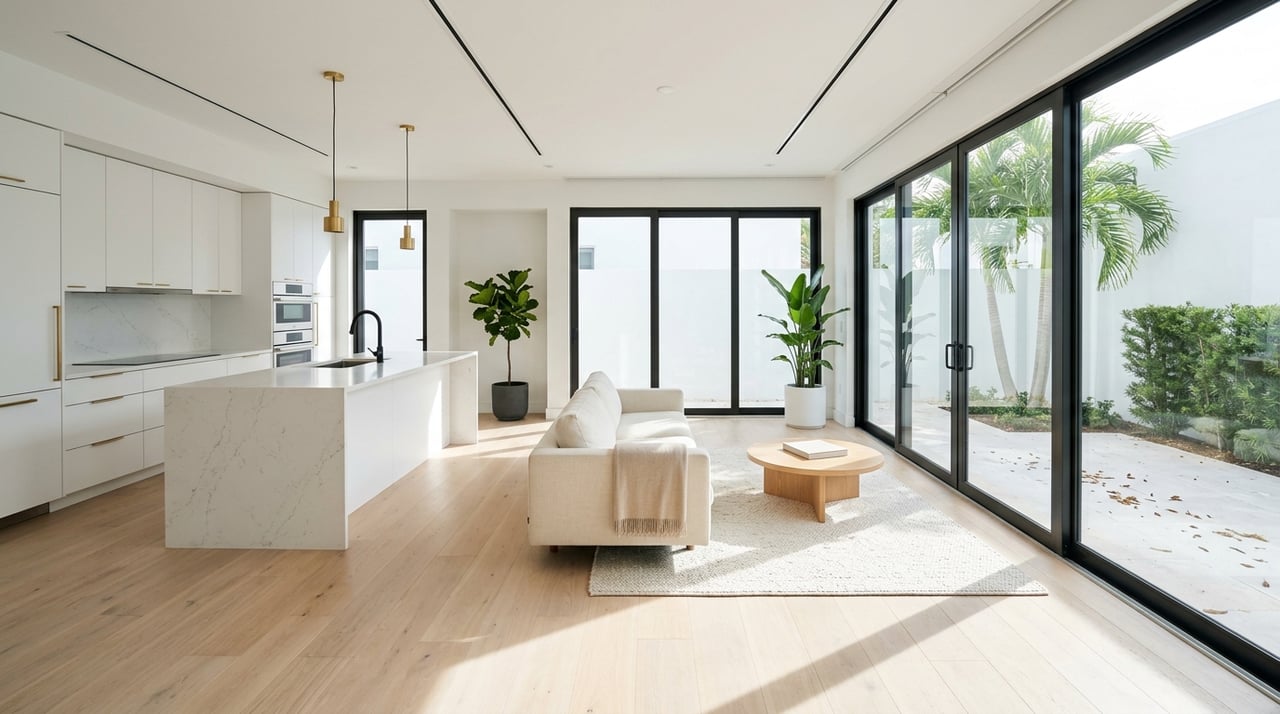
Staging research from the National Association of Realtors found that staging helps buyers visualize a property as a future home. That is especially helpful in a photo-driven market where many buyers form an opinion before they ever book a showing.
Start by removing excess furniture, clearing countertops, and putting away highly personal items. Family photos, oversized collections, and crowded shelves can make rooms feel smaller and less neutral. You want buyers to picture their own routines in the space.
If you are short on time, prioritize the rooms that tend to shape the strongest first impression.
Focus on the most important rooms
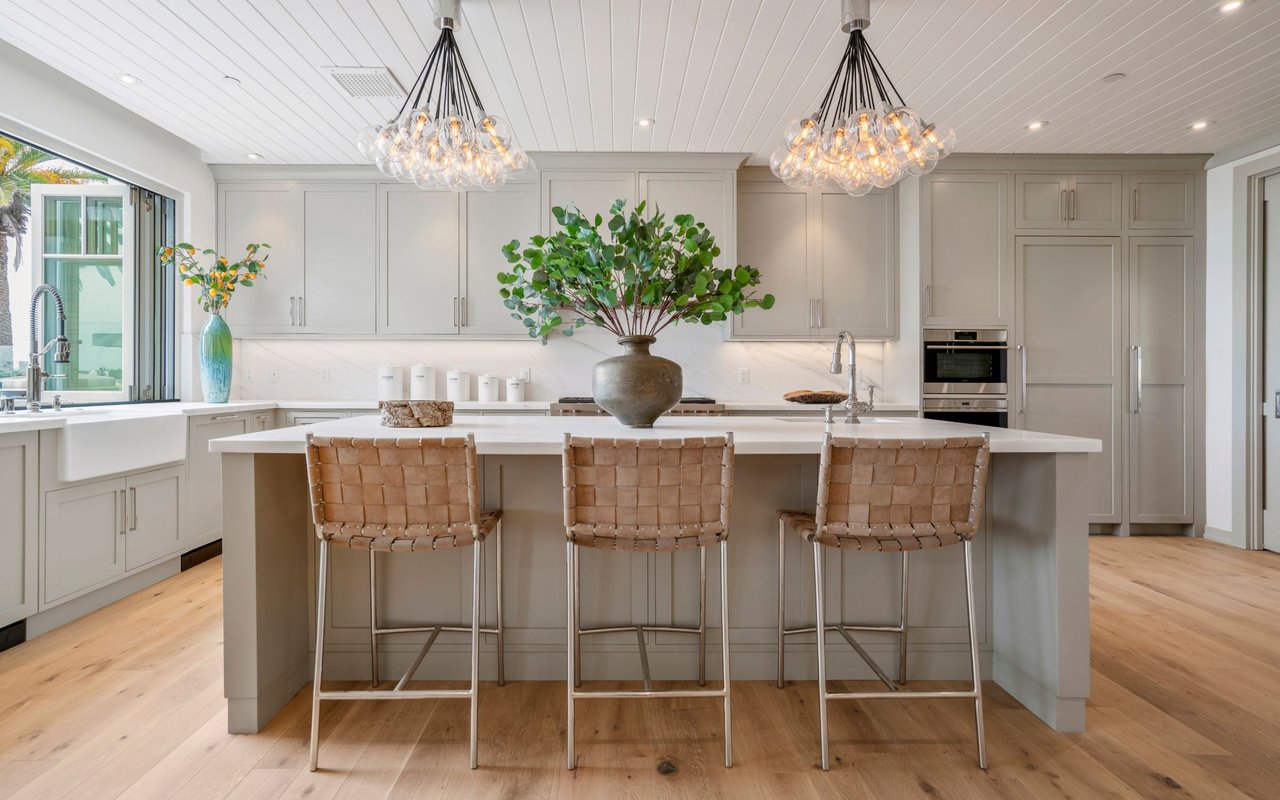
The rooms most often prioritized for staging are:
- Living room
- Primary bedroom
- Kitchen
These spaces usually carry the most weight in listing photos and early showings. If your budget is limited, spend it where buyers are most likely to notice.
Deep clean before anything else
A clean home signals care. Even if your property is older or not recently updated, a spotless presentation can make it feel more move-in ready.
Pay close attention to floors, windows, baseboards, bathrooms, appliances, and light fixtures. In Miami, bright natural light is often a selling feature, so clean glass and well-lit interiors can have a big visual impact both in person and in photos.
Make smart cosmetic updates
Many buyers in higher-cost markets prefer homes that do not feel like immediate renovation projects. That does not mean you need a full remodel before listing. It means visible, practical updates can go a long way.
Think in terms of cosmetic refreshes, not major construction. Fresh paint in neutral tones, simple landscaping cleanup, updated caulk, minor hardware swaps, and touch-ups around doors and trim can help your home feel cared for and current.
Skip major projects unless clearly necessary
Large renovations are not always the best pre-listing investment. They can delay your launch and may not return their full cost. In most cases, it is smarter to fix obvious faults and improve presentation than to begin a major overhaul right before going on the market.
Gather storm-related documents early
In Miami, buyers often want clear information about storm protection and insurability. Florida insurers must offer discounts or credits for qualifying windstorm-mitigation features, and in wind-borne debris regions buyers must be informed of the structure’s windstorm-mitigation rating.
That makes it a good idea to collect documents before the listing goes live. If your home has impact windows, shutters, roof upgrades, or a wind-mitigation report, have those materials ready early. A smoother document package can make your listing easier for buyers to evaluate.
Review disclosures before launch
Florida law requires sellers and licensees to disclose known facts that materially affect the value of residential real property when those facts are not readily observable. Florida also requires a flood disclosure at or before contract execution, and known sanitary sewer lateral defects must be disclosed before a sale contract is executed.
For sellers, the practical step is simple: identify known issues before your home hits the market. If there has been water intrusion, drainage trouble, sewer-lateral problems, or another material defect, gather clear information early so you are not scrambling later.
Items to review in advance
Create a file with notes and records related to:
- Water intrusion history
- Drainage issues
- Known material defects
- Sewer-lateral problems
- Flood disclosure information
Having this ready can support a more organized transaction and reduce surprises once a buyer is under contract.
Check permits and code records
One of the most useful pre-listing steps in Miami-Dade is reviewing the public property record before buyers do. Miami-Dade County offers free online access to building permits and plans, certificates of occupancy or completion, code-compliance records, product approvals, and zoning records.
This can help you spot open permits, missing finals, or unresolved code issues before they come up in escrow. If something needs follow-up, you have a chance to address it before it becomes a negotiation point.
Prepare condo or HOA documents early
If your home is in a condo or HOA community, document preparation becomes even more important. Florida condo-sale disclosure requirements include documents such as the declaration, bylaws, rules, a recent annual financial statement, annual budget, and the FAQ document. Where applicable, the contract must also address milestone inspections, turnover inspection reports, or structural integrity reserve studies.
For HOA properties, purchasers must receive a disclosure summary before contract execution, and association estoppel certificates are part of the seller closing package. Ordering and organizing these materials early can help reduce delays and give buyers more confidence in the process.
Price from the real comp set
A beautiful listing can still struggle if it is overpriced. Miami-Dade’s April 2026 data showed a 95.2% median original list-price-received ratio, with a 45-day median time to contract and an 82-day median time to sale. That suggests pricing strategy deserves just as much attention as staging.
The best approach is to price against current comparable sales from the start. An inflated list price can weaken momentum, especially during the critical first days online. Buyers notice when a home sits, and that can change how they view value.
Build a strong day-one media package
Research from the National Association of Realtors shows that photos are one of the most important factors buyers use when evaluating homes online. It also notes that the first few days online carry outsized weight, which is why your media package should be ready before the listing goes live.
For Miami sellers, that usually means thinking beyond a few quick phone pictures. A standout launch often includes professional photography, thoughtful photo ordering, video, and a virtual tour prepared in advance.
Why virtual tools matter in Miami
Virtual tours can be especially helpful in Miami because many buyers cannot always tour in person right away. With a strong international and relocation buyer pool, remote-friendly tools are not just a nice extra. They are part of a practical listing strategy.
It also helps to make the listing easy to understand from a distance. Clear floor plans, bilingual-friendly presentation, and simple appointment instructions can support smoother communication with buyers comparing homes from outside the area.
Plan for easy showings
Once your listing is live, the home should be ready to show with as little friction as possible. A clean, organized space and clear showing instructions make a difference. Buyers are more likely to engage when the process feels smooth.
Try to keep the home photo-ready during the launch window. Since early interest matters so much, you want to be prepared for both scheduled tours and short-notice opportunities.
Your Miami seller checklist at a glance
Use this as a simple pre-listing reference:
- Walk through the home with fresh eyes
- Declutter and depersonalize main living areas
- Deep clean every room
- Focus staging on the living room, primary bedroom, and kitchen
- Complete small cosmetic fixes
- Gather wind-mitigation and storm-feature documents
- Review known defects and required disclosures
- Check Miami-Dade permit and code records
- Order condo or HOA documents early if applicable
- Price from current comparable sales
- Prepare professional photos, video, and virtual tour before launch
- Make showings easy and consistent
A standout listing starts before day one
In Miami, a strong sale often begins well before your home appears online. The sellers who create the best first impression are usually the ones who prepare the home carefully, organize paperwork early, and launch with accurate pricing and polished marketing.
That kind of preparation can help your listing connect with local, relocating, and international buyers more effectively. If you want a tailored plan for your home, Dania Perez can help you build a thoughtful strategy with personalized guidance and a bespoke marketing approach.
FAQs
What should Miami home sellers do before listing a property?
- Start with decluttering, deep cleaning, small visible repairs, disclosure review, permit checks, and gathering documents like wind-mitigation records or association paperwork.
Why is pricing important for a Miami home listing?
- Miami-Dade single-family homes in April 2026 had a 95.2% median original list-price-received ratio, which shows that realistic pricing matters if you want to protect momentum and attract serious buyers.
Which rooms matter most when preparing a Miami home for sale?
- Staging research points to the living room, primary bedroom, and kitchen as the rooms most often prioritized because they strongly influence photos and first impressions.
What documents should Miami sellers gather before going on the market?
- Sellers should organize material defect information, flood disclosure information, any known sewer-lateral issues, storm-feature records, and condo or HOA documents if the property is in an association.
Why do virtual tours matter for Miami home listings?
- Miami has a large international and remote buyer pool, so virtual tours, clear floor plans, and strong media can help buyers evaluate a property even if they cannot visit right away.