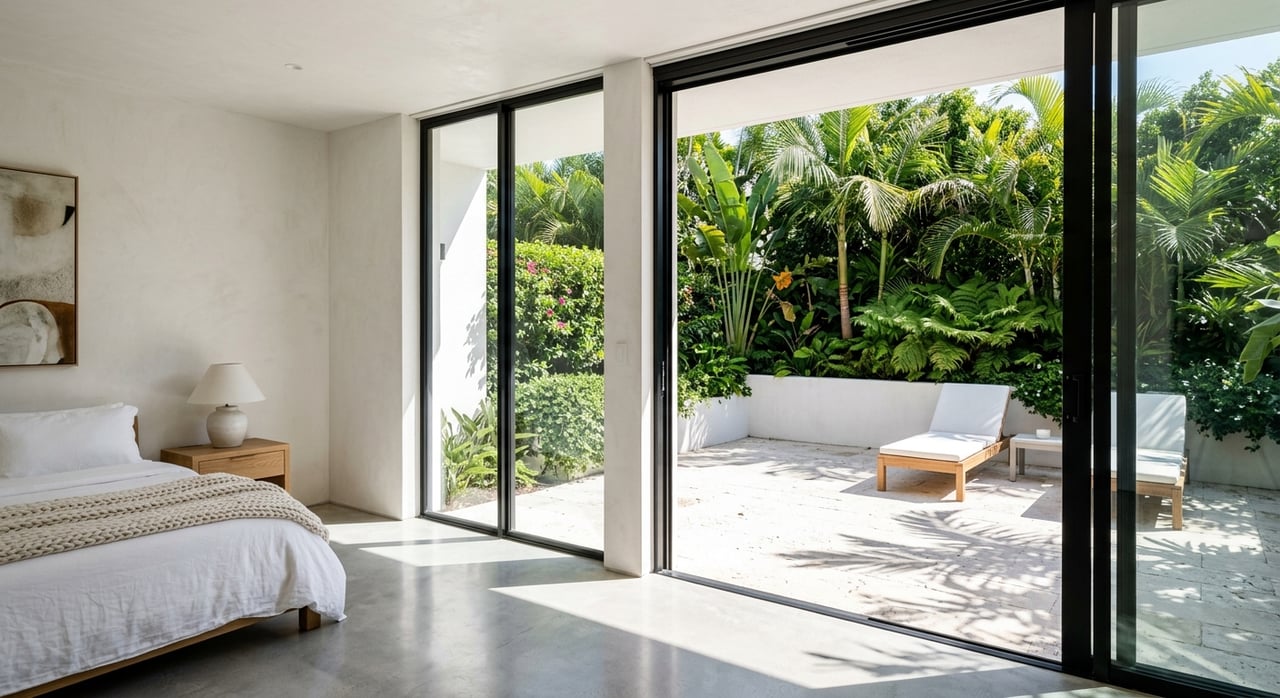
Thinking about buying a second home in the Florida Keys? It is easy to see the appeal. You may be picturing warm winter weather, easy weekends on the water, and a place that feels like a true escape from the pace of daily life. But before you fall in love with the view, it helps to understand how second-home ownership in the Keys really works. This guide walks you through the lifestyle benefits, financing questions, carrying costs, rental rules, and practical checks to make before you write an offer. Let’s dive in.
Why the Florida Keys Attract Second-Home Buyers
The Florida Keys offer a lifestyle that draws buyers from Miami-Dade and well beyond. The area is known for its subtropical setting, and local tourism sources highlight generally milder winter weather than mainland Florida. For many buyers, that makes the Keys appealing as a seasonal retreat or a part-time home base.
There is also a rhythm to the year that can shape how you use a second home. The local tourism site promotes August 1 through October 31 as “Keys Season,” with fewer crowds and storm protection messaging. Still, that seasonal appeal needs to be balanced with the reality that NOAA defines hurricane season as June 1 through November 30.
That contrast matters. A Florida Keys property can absolutely support the lifestyle you want, but it should also be viewed as a coastal asset with weather risk and location-specific ownership rules. Going in with clear expectations can help you make a smarter decision.
Why Ownership Requires Extra Planning
Buying in the Keys is not exactly the same as buying a second home in many inland markets. Monroe County uses the ROGO and NROGO system, which is a competitive permit allocation framework tied to hurricane evacuation clearance time and environmental capacity. That means growth and development operate within county-level constraints.
For you as a buyer, this does not automatically make ownership harder. It does mean due diligence matters more. If you are considering a property with future plans in mind, such as changes, redevelopment, or vacant land, you will want to understand how county rules may affect those goals.
What Types of Properties You’ll Find
The Keys offer a mix of housing types, which gives buyers several ways to approach a second-home purchase. Monroe County property appraiser materials identify vacant land, single-family homes, condominiums, mobile homes, and commercial properties as common property types.
If you are looking for a traditional vacation home experience, detached houses and condo units will likely be the main categories you compare. Monroe County’s 2025 Local Mitigation Plan says nearly 58% of housing units are detached single-family homes, while mobile homes account for 9.5% countywide. That variety can create options at different price points, maintenance levels, and usage styles.
A condo may appeal to you if you want simpler upkeep. A standalone home may offer more privacy and flexibility. The right fit depends on how often you plan to visit, how much maintenance you want to handle, and whether you are focused on personal use or long-term value.
How Lenders May View a Second Home
One of the biggest questions is whether a lender will classify the property as a true second home or as an investment property. That distinction can affect financing terms, qualification standards, and your overall buying strategy.
According to Fannie Mae, a second home must be occupied by the borrower for some part of the year, suitable for year-round occupancy, and be a one-unit dwelling. It also cannot be a rental property or a timeshare, and any rental income cannot be used to qualify for the loan.
In plain terms, a vacation-use property is not automatically considered a second home for mortgage purposes. If your plan includes generating income, even occasionally, your lender may look at the property differently. This is one of the most important issues to clarify before you make an offer.
Questions to ask about financing
- Will the lender classify the property as a second home or an investment property?
- Is the home suitable for year-round occupancy?
- Is the property a one-unit dwelling under the lender’s guidelines?
- Are you planning to rent it in a way that could affect loan classification?
What It Really Costs to Own
The purchase price is only part of the financial picture. A Florida Keys second home can come with recurring costs that deserve close attention, especially in a coastal market.
Monroe County notes that property tax bills may include both ad valorem taxes and non-ad valorem assessments. Those additional assessments can include items such as stormwater, solid waste, security, and fire or rescue services. Monroe County also mails TRIM notices each August, which can help you review expected tax and assessment details.
Another key point is homestead exemption. In Florida, the homestead exemption applies when the owner makes the property a permanent residence and can reduce taxable value by as much as $50,000. A true second home generally does not qualify, so you should not assume you will receive that tax benefit.
Common carrying costs to review
- Ad valorem property taxes
- Non-ad valorem assessments
- Homeowners insurance
- Flood insurance, if required or advisable
- Condo or association fees, if applicable
- Ongoing maintenance and storm preparation costs
Flood Risk and Insurance Matter More Here
Flood risk is a core part of buying in the Keys. Monroe County states that homeowners insurance does not cover flood damage, and FEMA explains that flood insurance is a separate policy. In Special Flood Hazard Areas, mandatory purchase rules may apply for many federally backed loans.
This is not a detail to leave until the last minute. Flood zone status can affect both your monthly costs and your comfort level with the property over time. Monroe County also warns that preliminary coastal flood maps may affect development standards and future insurance requirements and costs.
Before you move forward, make sure you understand the specific parcel, not just the neighborhood or island in general. Two nearby properties can carry different flood and insurance implications.
If You Want Rental Income, Check the Rules First
Many second-home buyers like the idea of offsetting costs with occasional rental income. In the Keys, that can be possible, but the rules are highly location-specific and often more layered than buyers expect.
Monroe County’s Tourist Development Tax is 5% on rentals of six months or less. The Florida Department of Revenue also says counties may impose local option transient rental taxes on similar stays, in addition to state sales and use tax and any discretionary surtax.
Taxes are only one part of the picture. Zoning and permitting are separate issues, and they matter just as much. A property that can be taxed as a rental is not automatically legal for short-term lodging use.
What Monroe County says about vacation rentals
In unincorporated areas of Monroe County, a vacation rental is defined as a tenancy of less than 28 days. The county requires an annual special vacation rental permit unless the property is exempt. It also notes that some zoning districts prohibit vacation rentals altogether, and a vacation rental manager license is required.
That means you should confirm the property’s legal use before you count on rental income. If short-term renting is part of your plan, this step is essential.
Questions to Answer Before You Make an Offer
A second home can be a great fit if the property matches your goals, finances, and risk tolerance. The key is asking the right questions early, before emotion takes over.
Here are a few of the most important ones to answer:
- Is the parcel in a district that allows vacation rentals, or is short-term use prohibited?
- Will your lender treat the purchase as a second home or an investment property?
- What is the full carrying-cost picture, including taxes and non-ad valorem assessments?
- What are the flood zone and insurance implications for the specific parcel?
- If you are considering vacant land or major improvements, how might county development rules affect those plans?
Is a Florida Keys Second Home Right for You?
A Florida Keys second home may be a strong choice if you want a personal retreat, plan to use it for part of the year, and are comfortable with the costs and coastal risks that come with ownership. The lifestyle appeal is real, especially for buyers coming from Miami-Dade who want a getaway that still feels connected to South Florida.
It may be less ideal if your plan depends heavily on short-term rental income, tax savings tied to permanent residency, or simplified insurance assumptions. In the Keys, those details need to be verified property by property.
The good news is that you do not have to sort through all of this alone. With the right guidance, you can narrow your options, compare properties with clear eyes, and avoid surprises that could change the numbers later.
If you are exploring a Florida Keys second home from Miami or anywhere in South Florida, Dania Perez can help you evaluate the opportunity with a practical, personalized approach.
FAQs
What qualifies as a second home in the Florida Keys for financing?
- A lender may view a property as a second home if you occupy it for part of the year, it is suitable for year-round occupancy, it is a one-unit dwelling, and it is not a rental property or timeshare.
What costs should you expect with a Florida Keys second home?
- You should review property taxes, non-ad valorem assessments, homeowners insurance, possible flood insurance, association fees if applicable, and ongoing maintenance costs.
Can you rent out a Florida Keys second home short term?
- In some cases yes, but you need to verify zoning, permitting, and tax requirements because short-term rental rules in Monroe County are location-specific and some zoning districts prohibit vacation rentals.
Does a Florida Keys second home qualify for Florida homestead exemption?
- A true second home generally does not qualify because the homestead exemption applies when the property is your permanent residence.
Why is flood insurance important for a Florida Keys property?
- Flood insurance matters because homeowners insurance does not cover flood damage, and some properties in Special Flood Hazard Areas may require separate flood coverage for certain federally backed loans.
What should you check before making an offer on a Florida Keys second home?
- You should confirm loan classification, rental rules, total carrying costs, and the specific parcel’s flood zone and insurance implications before moving forward.