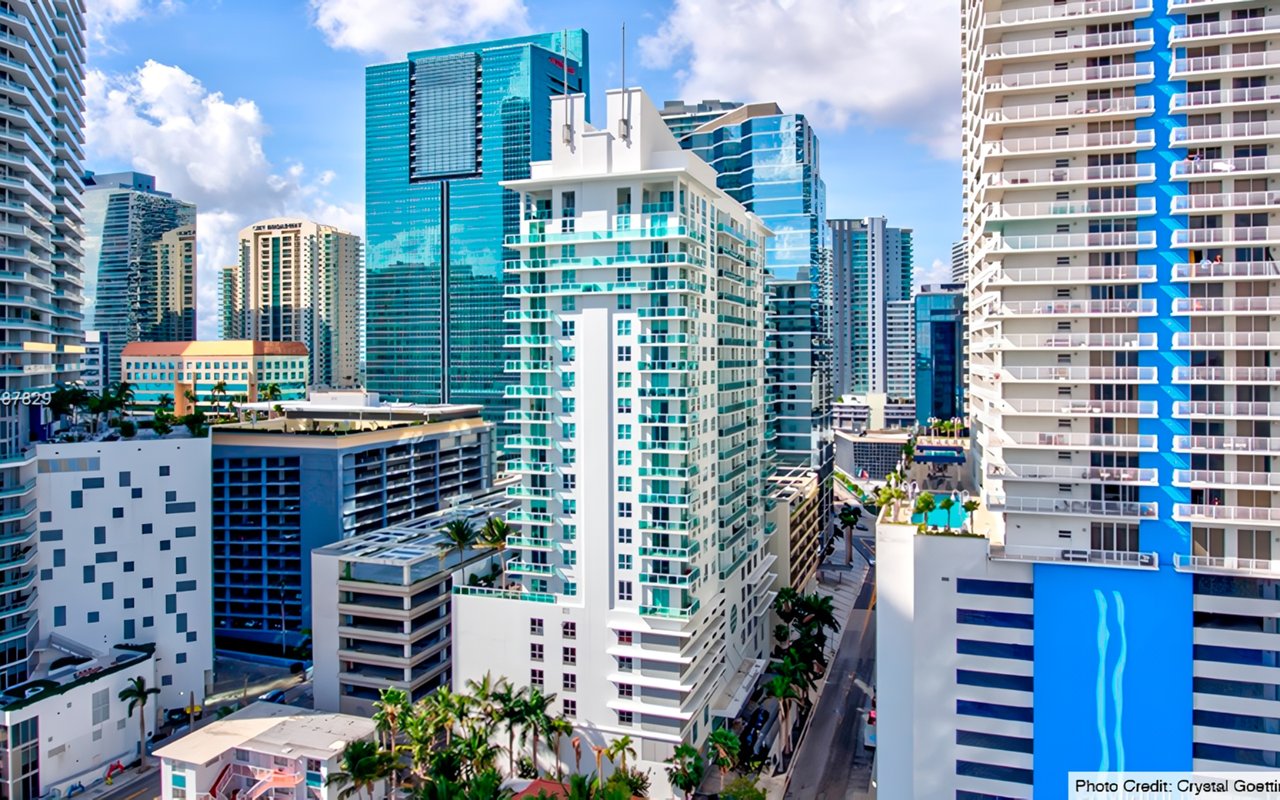
The Solaris at Brickell Bay, a 22-story condominium tower nestled in the heart of Miami's bustling financial district, is at the center of a heated real estate battle. With its prime waterfront views and enviable location, the property has drawn the attention of billionaire Ken Griffin, founder of Citadel, who plans to transform the surrounding area into a sprawling mixed-use complex. But a determined group of condo owners at Solaris is pushing back against what they call "lowball" buyout offers, vowing to fight for fair compensation.
The Rising Stakes at Solaris
Ken Griffin’s vision for Miami includes a 54-story headquarters for Citadel, surrounded by office space, luxury residences, and retail establishments. In 2022, Griffin acquired three nearby properties for $669 million, setting the stage for his ambitious development plans. Meanwhile, mysterious LLCs linked to Lincoln Property Company have been quietly purchasing units at Solaris, fueling speculation that Griffin aims to take over the building entirely.
Under Florida law, buyers need to own at least 80% of a condominium’s units to terminate the condo association and redevelop the property. While the LLCs have already acquired half of the 138 units, the holdout owners are refusing to budge without a significantly higher payout.
Holdouts Demand Fair Value
Elizabeth Czerny and her husband, Gil Hall, are among the owners rejecting current offers. They purchased their unit in 2018 for less than $300,000, and while recent buyout proposals have reached $1 million, the couple argues that even this amount falls short of replacing their home in the high-demand Brickell area.
“We thought this was our forever home,” said Czerny, highlighting the emotional toll of the negotiations. “Even $1 million won’t buy us anything comparable around here.”
Attorney Glen Waldman, representing over 20% of the unit owners, has formally requested Citadel to offer $3,500 per square foot—or $3.5 million for a 1,000-square-foot unit. Without this, the group threatens to sell their units to a different developer. “If they want us to move, they need to compensate us fairly,” Waldman stated.
Tensions Rise Amid Allegations of Pressure Tactics
The lack of transparency from the buyers has left many Solaris residents feeling anxious and distrustful. Some accuse Lincoln Property Company of employing tactics designed to pressure owners into selling, including registering suspiciously low sale prices for certain units to obscure the market value.
“If you buck the system, there will be vengeance,” said Terence Tennant, a retired attorney and Solaris resident. Tennant rejected an initial offer of $550,000 in 2023 but admitted he has felt tempted by a more recent $1 million proposal. Still, he insists it’s not enough to relocate within Brickell without incurring significant financial strain.
A Broader Trend in South Florida Real Estate
The conflict at Solaris reflects a growing trend of condo terminations in South Florida, driven by rising property values and new state regulations enacted after the tragic Surfside condo collapse in 2021. These regulations require costly inspections and reserve funds, making it financially burdensome for many older condo associations to comply.
For developers like Griffin, these dynamics present an opportunity to acquire valuable real estate for redevelopment. However, critics argue that such efforts often displace middle-income residents in favor of high-end luxury projects, exacerbating Miami’s housing affordability crisis.
“It’s ironic,” said one resident, Tulio, who declined to give his last name. “Griffin talks about housing costs while potentially displacing middle-income families for his luxury developments.”
What’s Next for Solaris and Citadel?
With plans to break ground on Citadel’s new headquarters in late 2025, Griffin remains focused on transforming the Brickell neighborhood into an iconic global destination. Yet, the holdouts at Solaris present a significant obstacle to his vision.
“They could have bought the whole building out two-and-a-half years ago,” lamented Gil Hall. “Instead, they’re playing games, and we have no choice in the matter.”
For now, the battle continues, with both sides digging in their heels. The outcome will likely set a precedent for similar disputes in South Florida as developers increasingly target aging condominiums in prime locations.
Insights
Why Are Solaris Owners Rejecting Offers as High as $1 Million?
Many owners argue that current offers, while significantly higher than their original purchase prices, are insufficient to buy comparable properties in the Brickell area. They are also frustrated by what they perceive as pressure tactics and lack of transparency.
What Is the Significance of The 80% Threshold Under Florida Law?
Florida law requires developers to own 80% of a condo’s units to terminate the condo association and redevelop the property. Without this threshold, holdout owners retain significant leverage in negotiations.
How Has the Surfside Collapse Affected Miami’s Condo Market?
The 2021 tragedy led to stricter building inspection and reserve fund requirements, increasing financial burdens on older condo associations. This has made condo terminations more common as developers seek opportunities to redevelop properties.
What Is Ken Griffin’s Broader Vision for Brickell?
Griffin envisions a transformative project that includes Citadel’s 54-story headquarters alongside luxury residences, office spaces, and retail establishments. He aims to position the development as a global landmark for Miami.
Conclusion
The clash between Solaris residents and developers over buyout offers encapsulates the complex dynamics of Miami’s real estate market. While billionaire Ken Griffin’s plans promise to elevate the Brickell neighborhood to new heights, the ongoing battle highlights the challenges of balancing ambitious developments with the rights and needs of long-standing residents. Whether the two sides can reach a fair resolution remains to be seen, but one thing is certain: the fight for Solaris is far from over.