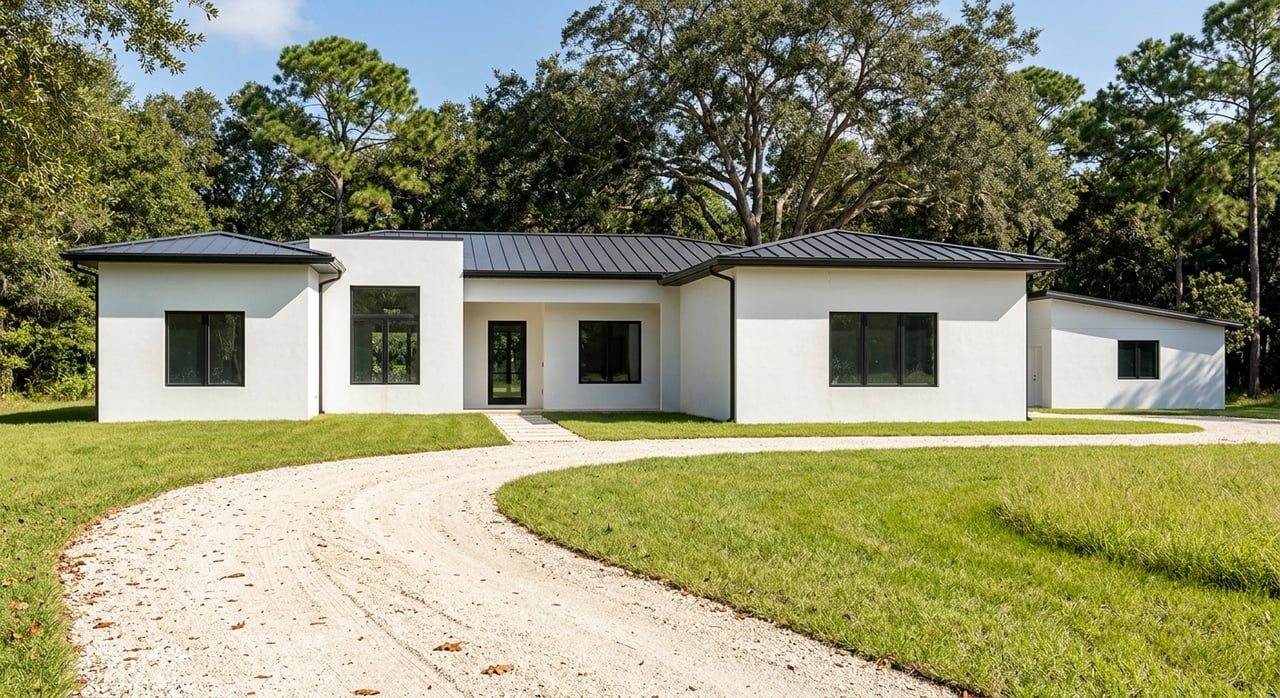
Dreaming about more space in Redland, Volusia County? Buying a home on acreage can give you room to breathe, add privacy, and create the kind of lifestyle that is hard to find on a standard suburban lot. But in this part of Florida, acreage comes with extra layers of research, from zoning and utilities to drainage and land maintenance. If you want to buy with confidence, here is what to know before you make an offer. Let’s dive in.
Why acreage works differently here
In Volusia County, acreage is not just about how many acres a parcel has. It is also about zoning, land use, and whether the property sits inside city limits or in unincorporated county territory.
That distinction matters because Volusia County and the City of New Smyrna Beach may have different zoning maps and standards. If you are looking at property in or around Redland, you should confirm the exact jurisdiction before assuming the same rules apply from one parcel to the next.
Volusia County lists several rural and agricultural zoning districts, including A-1, A-2, A-3, A-4, RA, RR, and rural mobile-home districts. Minimum lot sizes can range from 1 acre in some districts to 10 acres in A-1, so the lot size alone does not tell you what you can actually do with the property.
Check zoning before you fall in love
If you are buying acreage for a specific lifestyle goal, zoning should be one of your first checks. That includes plans for animals, outbuildings, gardens, fencing, future additions, or even the type of home allowed on the property.
Volusia County says horses are permitted in a wide range of rural and agricultural districts, including A-1, A-2, A-3, A-4, RR, RA, RC, FR, MH-3, MH-4, and MH-8. The county also notes that A-3 and A-4 are intended for personal and limited agricultural production, while RA and MH-8 may support single-family dwellings and personal agricultural use even when the land is not ideal for commercial farming.
That means two properties with similar acreage may offer very different options depending on zoning, lot configuration, soil conditions, and drainage. Before you move forward, ask for zoning verification and review what is allowed now, not just what seems possible based on nearby properties.
Questions to ask about zoning
- What is the current zoning classification?
- Is the property in unincorporated Volusia County or inside a city boundary?
- Are horses or other animals allowed under this zoning?
- What home types are permitted on the parcel?
- Are barns, fences, driveways, or accessory structures allowed?
- Are there setback, height, or site-plan requirements that affect your plans?
Acreage does not guarantee agricultural tax status
Many buyers assume a larger parcel automatically qualifies for agricultural tax treatment. In Volusia County, that is not how it works.
The Volusia County Property Appraiser says agricultural classification depends on whether the land is primarily used for bona fide agricultural purposes. The homesite acre is not eligible, and the first application must be filed before March 1 of the year you are applying.
The county also reviews the classification each year, even though the annual application requirement has been waived locally. If you are buying acreage because you hope for agricultural classification, it is smart to verify the current status, understand what supports eligibility, and avoid building your budget around assumptions.
Utilities can vary from parcel to parcel
One of the biggest surprises for acreage buyers is that utility service is not always consistent across nearby properties. A larger lot may be connected to municipal service, county service, or rely on private well and septic systems.
New Smyrna Beach Utilities provides electric, water, wastewater, and reuse-water service in its service area. Volusia County Water Resources and Utilities also serves county customers, and county permit pages direct well, septic, and irrigation permitting to the Florida Department of Health in Volusia County.
For you as a buyer, the practical takeaway is simple: verify every utility separately for the exact parcel. Do not assume that because one home down the road has city water, the acreage property you want will have the same setup.
Utility items to confirm
- Electric service availability
- Water source, either municipal or private well
- Wastewater service, either sewer or septic
- Irrigation source and any related permits
- Past service records if the property uses private systems
Private well and septic deserve real due diligence
If the home uses a private well, plan for testing and ongoing maintenance. The Florida Department of Health recommends testing private well water for bacteria and nitrate at least once a year, and general recommendations also include coliform bacteria, nitrates, and lead.
UF/IFAS Volusia offers water testing for irrigation or household well water, but it notes that those tests do not determine whether the water is safe to drink. For drinking-water concerns, bacteriological testing may come from the county health department or commercial labs.
If the property has a septic system, do not treat that as a minor detail. Florida health guidance says buyers should request an inspection and assessment, and only a state-licensed septic tank contractor or plumber or a certified environmental health professional can perform that work.
A septic inspection can help you understand the system condition, pumping history, drainfield concerns, and possible replacement risk. On acreage, these issues can be easy to overlook during a showing, but they can become expensive after closing.
Flood, drainage, and stormwater matter more on larger lots
Acreage can offer more freedom, but it can also bring more responsibility for water movement across the property. In Volusia County, drainage and flood review should be part of your due diligence from the beginning.
The county says most residential applications require an affidavit of drainage control, and it provides tools for flood-zone applications, storm-surge applications, and flood-map review. Volusia also notes that stormwater responsibility belongs to the county in unincorporated areas, while incorporated cities manage their own systems and regulations.
This is especially important if you are thinking about future improvements like a barn, detached garage, driveway extension, or land clearing. A parcel can look dry on a sunny day and still have drainage patterns, flood exposure, or site constraints that affect how you use it.
Before closing, review these water-related items
- Flood-zone status
- Storm-surge exposure where relevant
- Existing drainage patterns on the lot
- Survey and site-plan information
- Any permit needs tied to grading, clearing, wetlands, or tree work
Owning acreage usually means more maintenance
A larger property often comes with more work than a typical neighborhood lot. That does not make it a bad fit, but it does mean you should buy with a realistic plan for upkeep.
UF/IFAS Extension Volusia offers guidance on livestock and grazing, soil and nematode testing, toxic plant and weed identification, and pasture management. Its soil-testing guidance says residential lawns and landscape crops should be sampled annually, horticulture crops annually, and pastures every two to three years.
If manure or composted stall waste is applied, annual sampling is recommended because nutrient levels can change quickly. That is a useful reminder that gardens, orchards, and small pastures can be rewarding, but they also need steady attention.
Volusia County has also connected septic systems and nutrient runoff to water-quality concerns in local springs and watersheds. In practical terms, responsible fertilizer use, septic upkeep, and drainage planning are part of acreage ownership, not optional extras.
Build the right team early
Buying a home on acreage usually calls for more specialists than a standard suburban purchase. The right team can help you spot issues before they become your responsibility.
Volusia County zoning staff can help with setbacks, building height, off-street parking, permitted uses, and zoning verification. The county’s permit guidance also flags site-plan review, survey requirements, and environmental permits for some projects.
The Volusia County Property Appraiser is also clear that its maps and records are not a substitute for a title company, attorney, or registered surveyor. If you are planning fences, barns, drainage changes, or any improvement tied to property lines, a current survey matters.
Specialists worth involving early
- Surveyor for boundary lines, easements, encroachments, and exact acreage
- Title company or real estate attorney for deed restrictions, access rights, and closing issues
- Septic professional for system inspection and condition review
- Well testing source for bacteria, nitrate, and other recommended testing
- UF/IFAS Extension for soil, pasture, livestock, and garden planning
- County zoning or permitting staff for allowed uses, structures, drainage, wetlands, and clearing questions
A simple acreage-buying checklist
If you are comparing homes on acreage in Redland and nearby Volusia County areas, use this checklist to stay grounded:
- Confirm the exact location and jurisdiction.
- Verify zoning and permitted uses.
- Ask whether horses or personal agricultural uses are allowed.
- Confirm utility service for the specific parcel.
- Order well and septic reviews when applicable.
- Review flood zone, drainage, and stormwater issues.
- Get a current survey.
- Check for access, easements, and title issues.
- Learn the real maintenance needs of the land.
- Review agricultural classification separately from zoning.
The bottom line on buying acreage
Buying a home on acreage in Redland can be a great move if you want more privacy, flexibility, and room to shape your daily lifestyle. The tradeoff is that you will likely need deeper due diligence, more planning, and a clearer picture of long-term maintenance than you would with a typical residential lot.
When you approach the process carefully, acreage can offer real opportunity without unwanted surprises. If you want a thoughtful, hands-on approach as you evaluate rural and residential property options in Florida, Dania Perez is here to help you move forward with clarity.
FAQs
What should you check first when buying acreage in Redland, Volusia County?
- Start with zoning, jurisdiction, and permitted uses so you know what the property actually allows before focusing on lot size alone.
Can you keep horses on acreage in Volusia County?
- Horses are permitted in several rural and agricultural zoning districts in Volusia County, but you should verify the exact zoning of the parcel before assuming animal uses are allowed.
Does a large lot in Volusia County qualify for agricultural tax treatment automatically?
- No. The Volusia County Property Appraiser says agricultural classification depends on bona fide agricultural use, and the homesite acre is not eligible.
How do you know if an acreage property has city utilities or private systems?
- You need to verify utility service parcel by parcel because properties may be served by municipal utilities, county systems, or private well and septic.
Why is a survey important when buying acreage in Volusia County?
- A current survey helps confirm boundary lines, easements, encroachments, and the usable layout of the property for things like fencing, driveways, and future improvements.
Should you inspect a septic system before buying a home on acreage?
- Yes. Florida health guidance says buyers should request a septic inspection and assessment by a qualified licensed professional when the property uses a septic system.