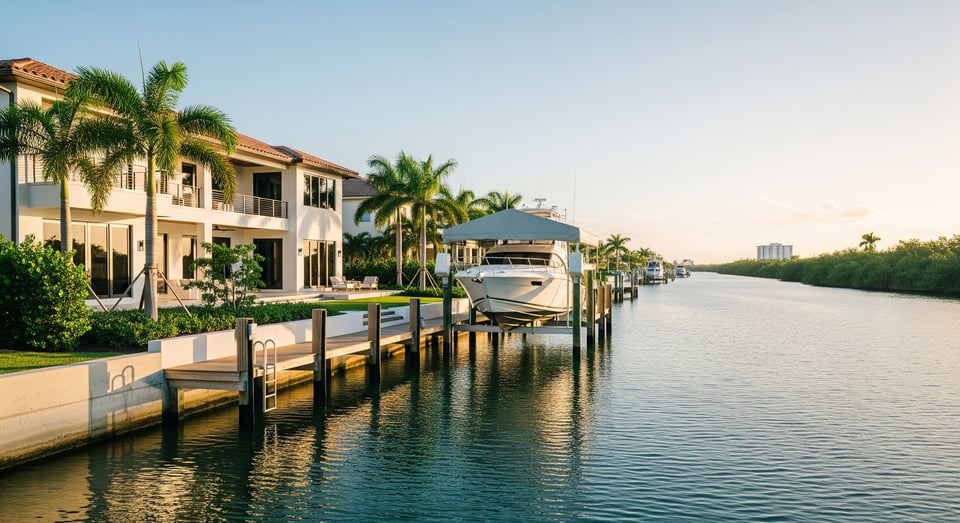
Imagine stepping from your lanai to your boat and cruising out to island water in a single, smooth route. If that is your goal in Cape Coral, the right neighborhood makes all the difference. With hundreds of miles of canals, not all waterfront is equal for depth, bridges, or speed to open water. In this guide, you will learn which areas fit different boating styles, how access type impacts price and convenience, and what to verify before you buy. Let’s dive in.
How Cape Coral’s waterways work
Cape Coral is a planned canal city. Most boaters move from a private dock to a neighborhood canal, then out to the Caloosahatchee River, and onward to Pine Island Sound and the Gulf of Mexico. Your daily boating experience depends on canal depth, bridge clearance, no‑wake zones, and your boat type.
Most routes from Cape Coral canals to the river are un‑locked. Still, you should confirm the exact route for any property and check for local advisories. Authoritative resources include NOAA nautical charts, City of Cape Coral public works, and Lee County marine guidance.
What “water access” really means
Before you pick a neighborhood, get clear on the type of access you need. This defines travel time, boat size options, and price expectations.
- Direct deepwater or marina access. No low fixed bridges on the route, deeper channels, and sailboat‑friendly navigation. Expect the highest premiums and strong convenience for larger boats.
- River‑access neighborhoods. Quick access to the Caloosahatchee River and faster runs compared with winding interior canals. Highly desirable for frequent powerboat use.
- Interior canal or cul‑de‑sac waterfront. Great for small to medium powerboats. Routes may be longer and may include bridge limits for sailboats.
- Bridge‑restricted canals. Fixed low bridges cap mast height and boat profile. This can reduce prices compared to unrestricted deepwater lots.
- Marinas and community docks. Slip‑based living with fuel, pump‑out, and services. Homes tied to managed slips often see premiums and predictable maintenance costs.
Best neighborhoods by boating lifestyle
Use these lifestyle categories to focus your search. Your ideal fit comes down to boat type, typical outings, and how often you plan to go.
Luxury marina communities: Cape Harbour and Tarpon Point
If you want a slip, services, and dining at your doorstep, look at Cape Harbour and Tarpon Point Marina. These master‑planned areas are designed around boating, with deeper channels and routes that minimize low‑bridge constraints. You get the convenience of on‑site amenities and a shorter run to Pine Island Sound compared with many interior canals.
Expect luxury condos, townhomes, and single‑family homes positioned for easy provisioning and weekend cruising. This is a strong match if you own a larger powerboat or sailboat and value marina services.
South Cape and the Yacht Club corridor
Near the Cape Coral Yacht Club area, you will find established canal streets with quick runs to the Caloosahatchee River. The setting suits frequent day trips and family outings, with a public ramp and municipal amenities nearby. Many homes are older but often remodeled or rebuilt over time.
If you want fast access from your dock to the river, this corridor is a top contender. It is also appealing if you like the convenience of public waterfront spaces.
Deepwater canal neighborhoods for sailboats
Some canal systems in Cape Coral are wide, deeper, and planned to avoid low fixed bridges on the way to the river. These areas work well for sailboats and larger powerboats because you do not need to plan around low clearance points. You will also find newer custom homes with large docks and lifts.
If mast height and keel depth matter to you, prioritize these deepwater, sailboat‑friendly pockets. Always verify bridge clearances and canal depth along your exact route.
Interior canals for value and small boats
Cape Coral’s interior canals can be the best entry point for a private dock lifestyle. Many of these canals are narrower or cul‑de‑sac style, which lengthens the transit to the river and the Gulf. Bridge restrictions often favor smaller powerboats and shallow‑draft vessels.
The upside is value. If you are comfortable with a longer ride to open water and you captain a smaller boat, these neighborhoods can unlock waterfront living at a more accessible price point.
Caloosahatchee riverfront and northern canals
Homes along or near the Caloosahatchee River give you a big, straight waterway for fast cruising. It is ideal for powerboat owners who want frequent day trips or quick runs toward Pine Island Sound. Depending on your route east or west, plan for major bridge crossings in the Fort Myers area.
If your priority is time on the water rather than winding canals, riverfront access is a strong pick with wide, direct navigation.
How access type affects price and marketability
- Deepwater or marina‑front homes tend to command the highest premiums due to limited supply, slip access, and suitability for larger boats and sailboats.
- Riverfront lots often price above average canal properties because of quicker navigation and larger‑boat appeal.
- Interior canal homes with bridge restrictions can be more affordable and attract buyers with smaller powerboats, kayaks, or paddleboards.
- Communities with reserved slips or HOA dock fees create predictable maintenance costs, which is a plus for many buyers. Keep in mind the added recurring fees.
The one question that rules your search
Ask this for every property you consider: What is the full route from this dock to the Gulf, and what are the channel depths and bridge clearances along that route? The answer reveals if a home works for your boat, your schedule, and your budget.
Buyer checklist for any waterfront home
Use this list to avoid surprises after closing.
- Confirm mean low water depth at the dock and along the intended route.
- Check every fixed bridge clearance at mean high and low tide and compare to your boat’s height.
- Verify the dock’s permit status, ownership, and any HOA rules on lifts, canopies, or rentals.
- Ask about recent dredging and seasonal shoaling in your canal.
- Inspect the seawall for cracks, bowing, or settlement. Seawall replacement can be a major cost.
- Review flood zone designation, elevation certificate, and flood insurance requirements.
- Map nearby services like fuel docks, haul‑out and repair yards, towing, and winter storage if needed.
Authoritative places to verify information include NOAA nautical charts, City of Cape Coral canal maps and standards, Lee County shoreline and permitting pages, and Florida environmental and boating regulations.
Costs and maintenance to plan for
Owning on the water means planning for the hard costs beyond purchase price.
- Seawall maintenance or replacement. This can reach tens of thousands of dollars depending on scope and access.
- Docks and lifts. Budget for repairs, new pilings, lift upgrades, and electrical work.
- Dredging and assessments. Some areas may require periodic dredging funded by HOAs or local assessments.
- Insurance. Waterfront homes and boats can carry higher premiums. Confirm details early in your process.
Smart steps to shop with confidence
- Pre‑screen neighborhoods by boat type. Decide if you need sailboat‑friendly deepwater or if a bridge‑restricted canal works for you.
- Trace your route on official charts and confirm bridge clearances at expected tide levels.
- Request a canal depth reading or recent sonar data when available.
- Order an elevation certificate and flood zone report early to avoid surprises during underwriting.
- Consult a marine surveyor or dock professional for seawall, dock, and lift inspections.
- If you need a slip, contact local marinas for availability and waitlist timing before you decide on a home.
Your next move
Cape Coral offers a rare mix of marina living, quick river runs, and value canals. If you choose based on boat type, route, and ongoing costs, you can enjoy an easy, everyday boating life that fits your budget and your plans.
If you want a tailored short list and a route‑by‑route review before touring, reach out to Dania Perez for a personalized, bilingual consultation. We will align your boat, your budget, and your ideal neighborhood so you can buy with confidence.
FAQs
What makes Cape Coral a top boating city?
- The city’s planned canal network connects to the Caloosahatchee River, then to Pine Island Sound and the Gulf, giving you varied routes for day trips and cruising.
Are there boat locks between Cape Coral canals and the river?
- Most navigation from Cape Coral canals to the Caloosahatchee River is un‑locked, though you should confirm any specific route and check local advisories.
How do bridge clearances affect sailboats in Cape Coral?
- Fixed low bridges can limit mast height and route options. Always compare bridge clearance at mean high water to your mast height with a safety margin.
Which neighborhoods are best for marina access and services?
- Cape Harbour and Tarpon Point Marina are designed around boating, with slips, on‑site amenities, and routes that minimize low‑bridge constraints.
What should I inspect on a seawall before buying waterfront?
- Look for cracks, bowing, settlement, and signs of movement. Seawall repairs or replacement can be significant, so get a professional opinion.
How does riverfront living change day‑to‑day boating?
- Riverfront access shortens canal time and gives you a wide waterway for faster cruising, which is ideal for frequent powerboat outings.